Why E85 Is Having a Moment in California
June 5th, 2026
California drivers are used to volatile gas prices. What feels different right now is the size of the gap between gasoline and E85.
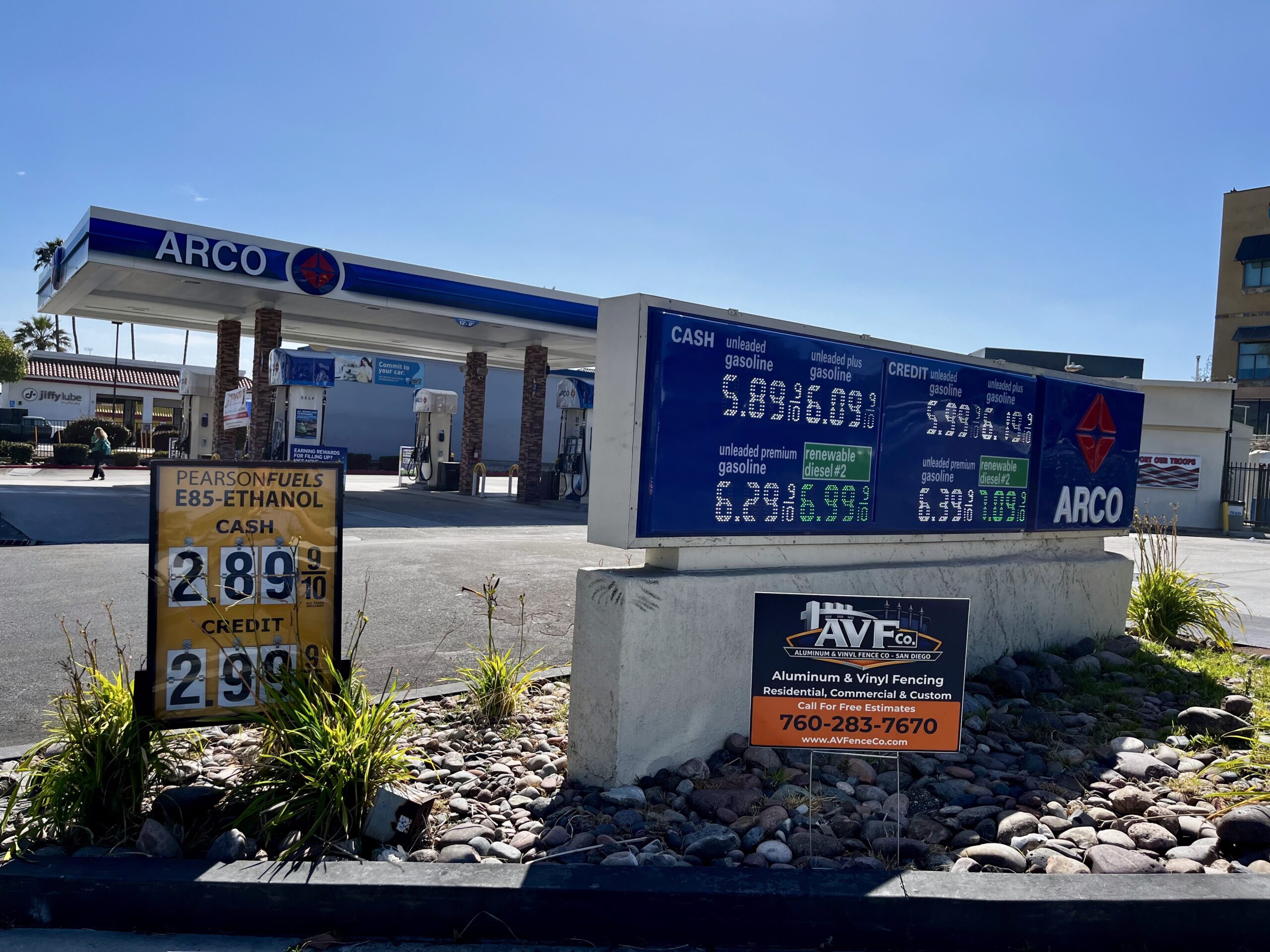
In many parts of the state, regular unleaded has remained well above $5 per gallon while E85 has been significantly lower at the pump. For many flex fuel drivers, the conversation around E85 has become a financial one.
At stations across California, it is not unusual to see E85 priced roughly at least $2.00 below regular gasoline. Over time, that kind of spread becomes difficult for drivers to ignore, particularly for commuters, larger SUVs, and higher-mileage vehicles.
Drivers are noticing the price difference on their own.
Why E85 holds its price
Part of E85’s pricing stability comes from the fact that ethanol and gasoline do not always move in lockstep. Because E85 relies heavily on domestically produced ethanol rather than petroleum alone, it is often less exposed to the same crude oil volatility that affects gasoline markets during refinery disruptions or geopolitical instability.
California has seen this pattern repeatedly. Refinery outages, scheduled maintenance, summer blend transitions, and tightening global supplies tend to push gasoline prices higher with little warning. E85 is not immune to market pressures, but its underlying inputs are different enough that it often absorbs those shocks more gradually — and sometimes not at all.
For drivers tracking the cost of a tank week to week, that difference matters.
Availability and accessibility
One of the biggest historical barriers to E85 adoption was station availability. Drivers were interested in the savings, but the network was still limited in many parts of California. That is no longer true in much of the state.
Pearson Fuels has continued expanding E85 access into new regions and corridors across California. The result is a fueling network that increasingly fits into normal driving patterns rather than requiring motorists to plan around a specialty fuel stop.
Consistent availability is what makes a fuel practical for everyday use.
Policy
The pricing and infrastructure story is only part of what is happening. Assemblymember Rhodesia Ransom’s AB 2046, which would establish a legal pathway for approved E85 conversion technology in California, has continued advancing through the legislature and could eventually expand access beyond existing flex fuel vehicle owners.
We covered the legislation and what it could mean for drivers in a separate article on AB 2046.
What about emissions?
Cost savings may be driving most of the current attention, but lower emissions remain part of the appeal for many drivers.
Compared with conventional gasoline, E85 can significantly reduce lifecycle greenhouse gas emissions while also lowering several harmful tailpipe pollutants, including carbon monoxide, exhaust hydrocarbons, benzene, and fine particulate matter — pollutants tied directly to air quality challenges in many California regions.
Pearson Fuels blends to the maximum ethanol content allowable under California specifications and incorporates renewable naphtha instead of petroleum gasoline. That combination pushes the renewable content further than a standard E85 blend, making Pearson’s fuel one of the lowest carbon-intensity options commercially available at retail anywhere in the state.
For drivers who want to reduce their transportation footprint without waiting on a vehicle replacement, E85 is one of the few options that works today through a fueling network already operating statewide.
A practical choice
For many drivers, the appeal of E85 remains straightforward: lower fuel costs and lower emissions without requiring an entirely new fueling system.
California’s transportation future will continue evolving across multiple technologies and fuel types. But right now, much of the renewed attention comes down to something fairly straightforward: drivers are looking for practical ways to spend less at the pump while still making a cleaner choice.
Drivers with a flex fuel vehicle can already use E85 today. A yellow gas cap or “FFV” badge is often the easiest indicator of compatibility. The Pearson Fuels App allows drivers to locate nearby stations and compare real-time pricing.