France Figured Out E85; Here’s What California Can Learn
April 2nd, 2026
So what does this actually look like in the real world?
In France (and the other 49 states in America), E85 isn’t a niche fuel — it’s a mainstream option. Drivers pull up to the pump, choose E85 and pay significantly less than they would for gasoline. No confusion. No friction. Just savings.
It starts with accessibility
France didn’t just expand E85 — it made it usable.
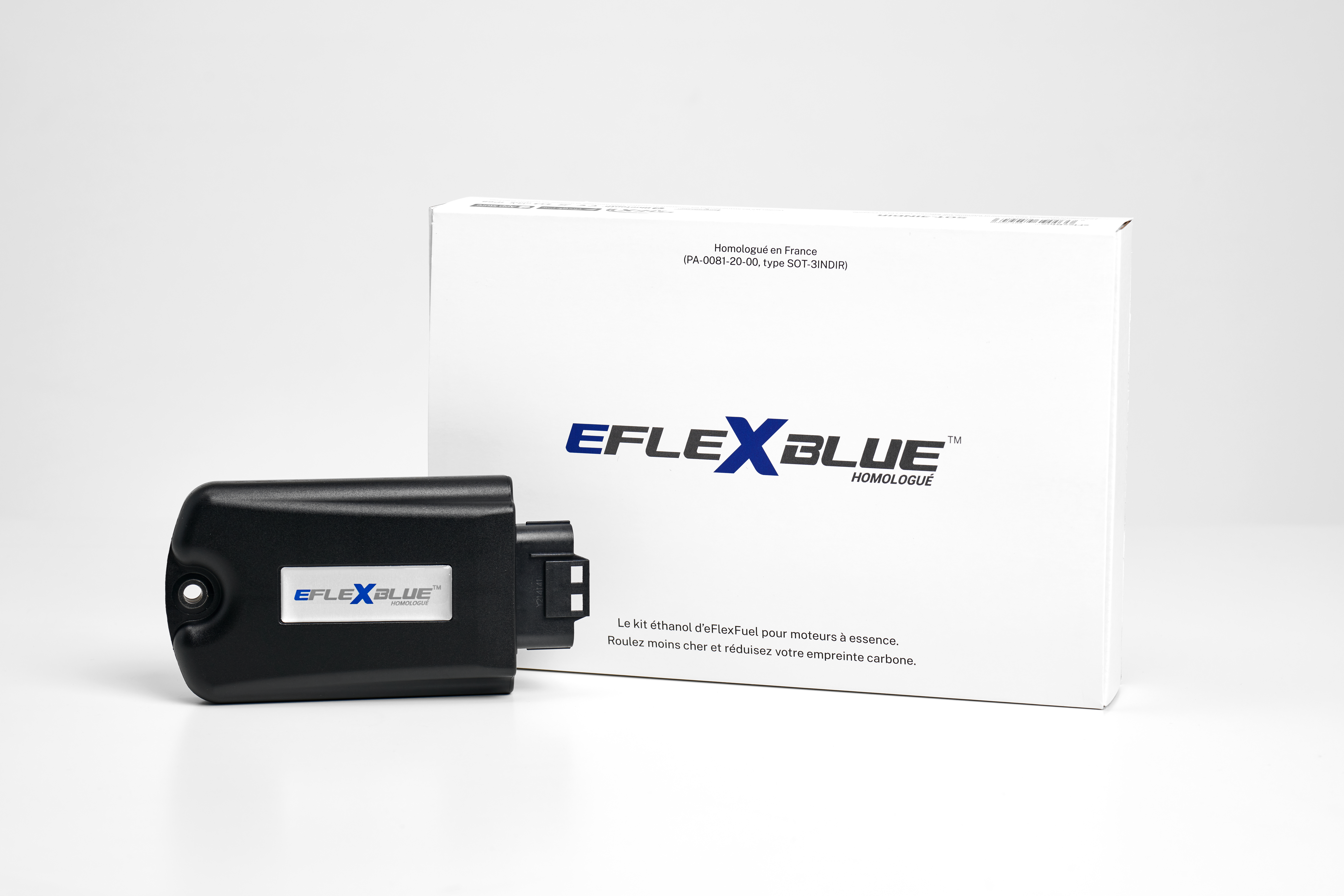
Today, more than 4,000 stations across the country offer E85, compared to over 600 in California. But the real shift came from allowing drivers to convert existing gasoline vehicles using certified conversion kits. That decision changed everything.
Let’s Answer the Big Questions
Do conversion kits damage engines? No. Vehicles are already built with ethanol-compatible materials. Conversion kits simply allow those engines to properly adjust to higher ethanol blends.
Do you need to buy a new car? No. That’s the point. Conversion technology works with vehicles already on the road.
Is it expensive? The investment typically returns itself in under a year.
Why drivers are actually using it
The biggest driver is price.
E85 in France can cost up to 60% less than gasoline. That kind of spread creates consistent, visible savings — which is why adoption has continued to grow. Savings are happening every day at the pump. These types of price spreads are present today in California, yet the state has no other legal fuel options.
The policy that made it possible
France’s growth didn’t happen by accident.
It followed the creation of a clear regulatory framework that allows conversion kits to be approved across families of vehicles — not one model at a time. That clarity made it easier for manufacturers, installers and drivers to participate. Adoption naturally accelerated afterwards. California’s proposed bill, AB 2046, would likely offer the same trajectory.
The environmental impact — without the wait
France’s E85 program is already reducing carbon dioxide emissions by nearly one million metric tons per year — and it’s doing it without replacing vehicles, waiting for new technology, or requiring major infrastructure shifts. All by offering a different fuel choice.
What this means for California
California already has many of the same advantages: a growing E85 network (over 600 stations and counting), competitive pricing compared to gasoline, and millions of existing vehicles that could benefit. What’s missing is the ability to fully connect those pieces. That’s the opportunity ahead.
The takeaway
As California considers AB 2046, the path forward doesn’t require starting from scratch.
France has already shown what’s possible when drivers are given access to lower-cost fuel options that work with the cars they already own. The model exists. The question is whether California will follow.
Missed Part 1? Read: The Technology Already Exists — So Why Can’t Californians Use It?