Flex Fuel Conversion Kits: The Technology Already Exists — So Why Can’t Californians Use It?
April 2nd, 2026
Across France, drivers are converting their vehicles to run on E85 — legally, safely and in high volumes. Yet, in California, that same technology is currently out of reach.
As policymakers consider AB 2046, a bill aimed at expanding access to more affordable fuel options and legalizing flex fuel conversion kits, we hope that E85 will only become easier to use across the state.
A proven solution, not a new idea
E85 conversion kits aren’t experimental, they’re already widely used in Europe and the 49 other states in the U.S.
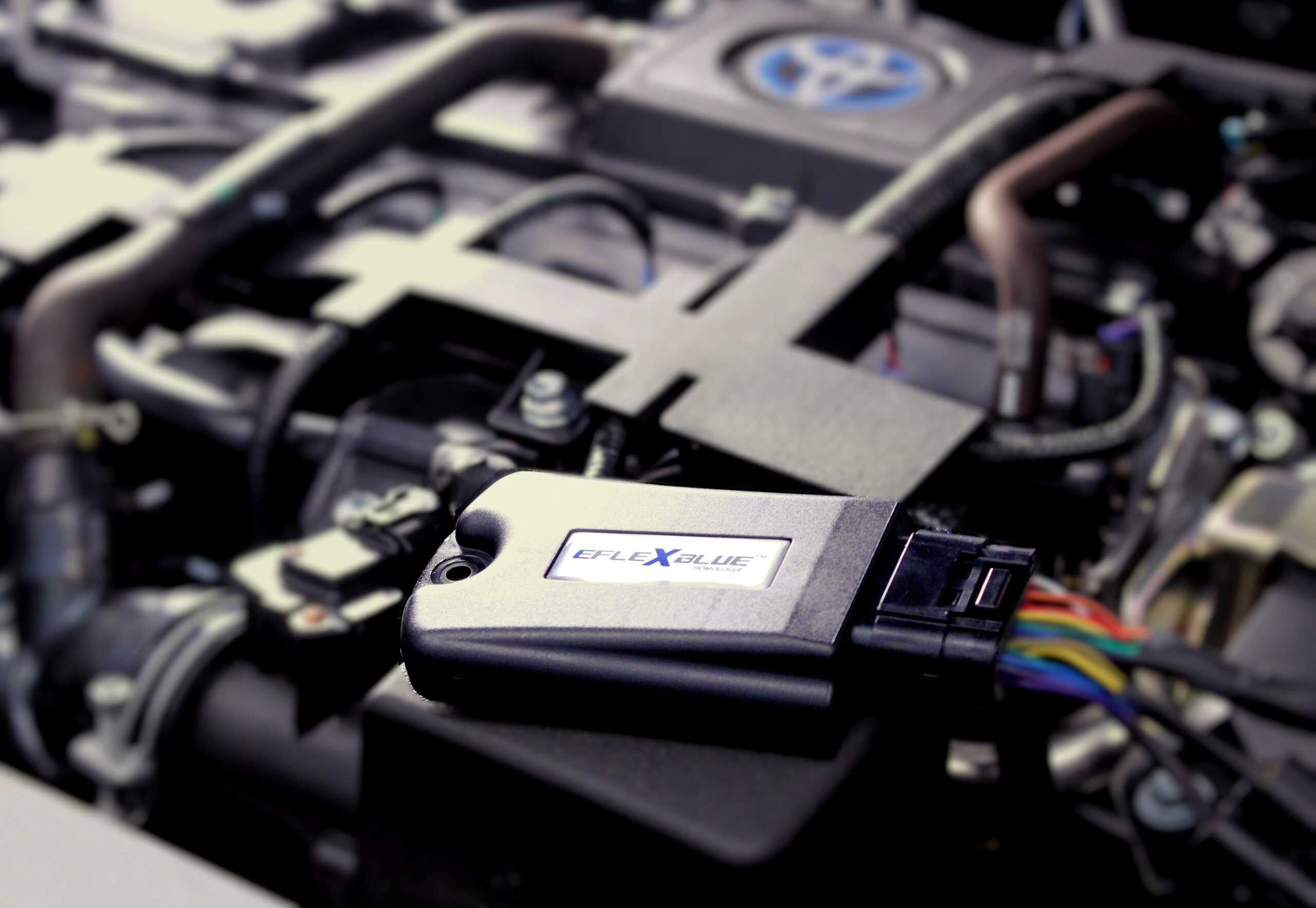
These small devices allow a standard gasoline vehicle to safely run on either E85 or gasoline by automatically adjusting fuel injection based on ethanol content. Installation is straightforward and typically completed in just a few hours by a trained technician.
No new car. No major installation. Just a smarter way to use what’s already available.
Clearing up confusion
One of the biggest misconceptions around higher ethanol blends is that they harm engines.
Modern vehicles are already built with materials compatible with ethanol. The limitation isn’t the hardware — it’s communication. The engine’s software isn’t designed to properly adjust to higher ethanol blends without guidance. Without modification, vehicles can’t optimize fuel delivery for E85.
Enter conversion kits.
Why this matters right now
California drivers are already dealing with:
- Volatile gasoline prices
- Limited affordable alternatives
- Long timelines for full vehicle replacement
- Limited flex fuel vehicle choices
At the same time, more than a million flex fuel vehicles are already on the road.
Where AB 2046 comes in
AB 2046 represents an opportunity to change that.
At its core, the bill creates a clear pathway for conversion technology to be approved and used in California. This effectively givesdrivers a practical, lower-cost way to access E85 with the vehicle they already have.
AB 2046 is about expanding options and flexibility.
The technology is here. The vehicles are already on the road. The demand for lower-cost fuel is real and increasingly urgent as California gas prices continue to peak.
Other countries have already made this work. So, the question is whether the state of California will.
What happens if AB 2046 passes?
France has already answered that question — read more here.