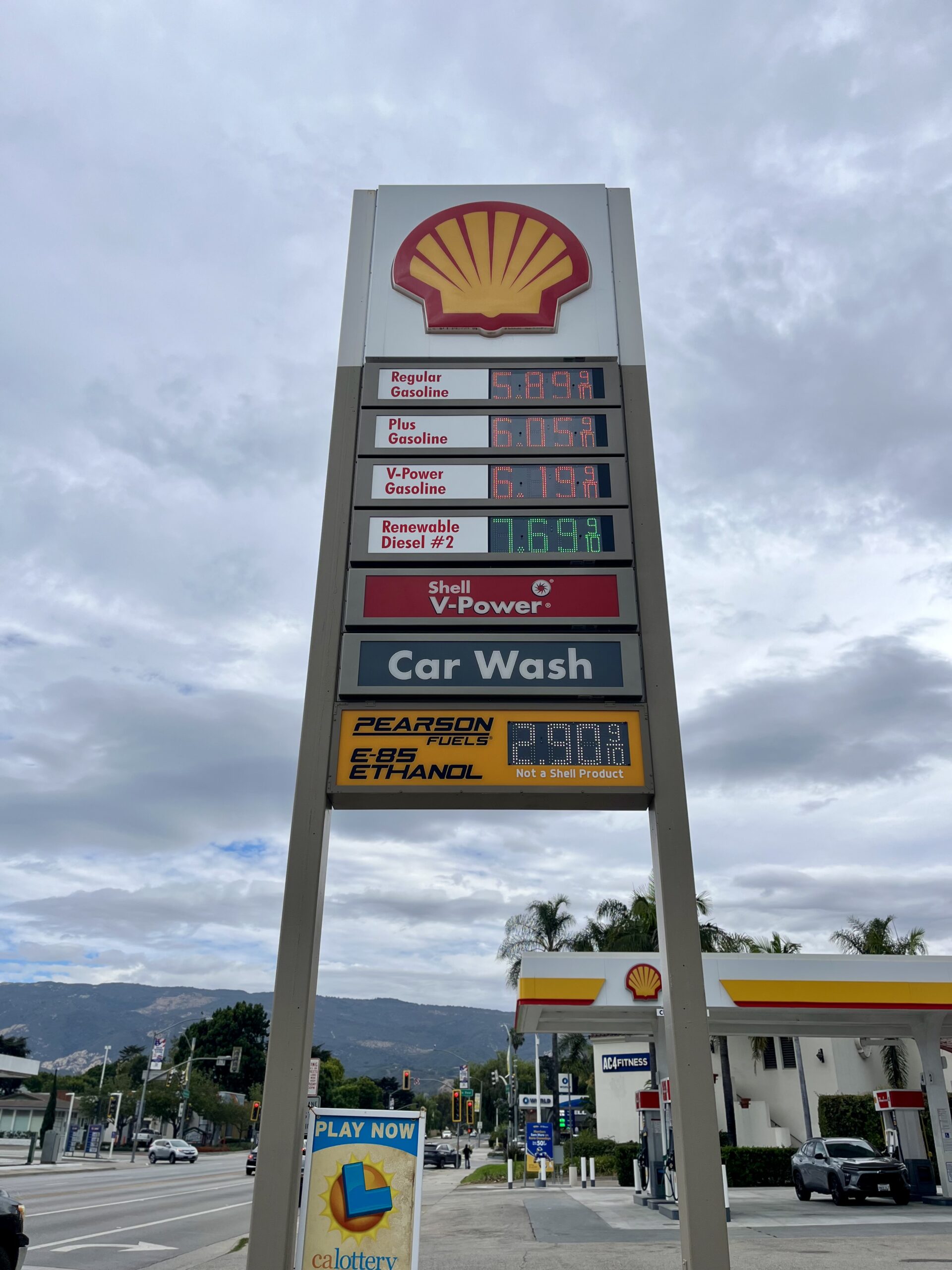
Why California Gas Prices Change in the Fall
October 13th, 2026
In June, we looked at why California gas prices rise every summer. Fall brings another change: gasoline suppliers can begin moving away from the summer blend. That can ease production costs, but it doesn’t always mean an immediate drop at the pump.
What changes in the fall
Gasoline evaporates more easily in warm weather. Those vapors can contribute to smog, so California limits how easily gasoline can evaporate during warmer months. Meeting that requirement generally makes summer gasoline more expensive to produce.
As the weather cools, suppliers can use a more volatile winter blend. That gives them more flexibility to include lower-cost ingredients such as butane.
When does the switch happen?
The summer gasoline requirement generally runs through October 31 in most of California, though the dates vary by air basin. Suppliers can also start moving toward winter gasoline before drivers notice any change at their local station. During past price spikes, California has allowed an earlier switch.
Why prices don’t always fall right away
Winter gasoline may cost less to produce, but the blend is only one part of the price. Crude oil costs, refinery outages, fuel supply and demand can all affect what a station pays and what drivers see on the sign. A disruption at a California refinery can outweigh any savings from the seasonal change.
Where E85 fits
E85 has a different mix of ingredients than regular gasoline. Pearson Fuels’ blend contains 83% ethanol and 17% gasoline, so its price doesn’t necessarily move in step with California’s summer-to-winter gasoline switch. Prices can still change with ethanol and gasoline costs, transportation and local station pricing.
If you drive a flex fuel vehicle, comparing the posted prices is the easiest way to see your options. More than 650 stations across California offer E85. Find one along your route.